Saturday, October 16, 2010

helicopter amazing

ooking for Rc helicopter Price List?

Good deals mean good price(find best rc helicopter price list). I collect some mini rc helicopter price list around. Actually i found many mini rc helicopter price list over the internet. If you want to buy mini rc helicopter, this article can be your first consideration before you buy the mini rc helicopter, such as the price estimates. I wrote some of the mini rc helicopter price list in this article, so keep read on.
  • DragonFly King Mini RC Helicopter imagesDragonFly King RTF 3CH Mini RC Helicopter : This rc helicopter has altitude, rotor speed control and a flight stabilizing system. In addition to that when you combine 2 motors with a super lightweight design and 3 channels of movement, you are sure to have a great flying experience. The Mini DragonFly King comes fully loaded and Ready-to-Fly (RTF). It includes a rechargeable battery pack, & AC adapter charger. Estimate price : $34.99

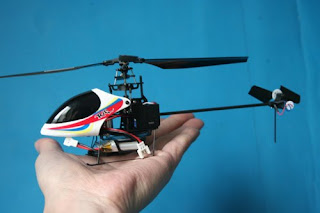
  • DragonFly Prince Mini RC Helicopter imagesMini RC Helicopter Dragonfly Prince : This mini rc helicopter has some feature such as Remote control features a throttle stick, directional stick, and trim control, Mini helicopter operates off of a 3-channel IR system, so 3 different helicopters can be flown in the same area, Auto balancing system makes helicopter easy to operate, Includes helicopter, controller, charger, spare tail propeller, and 9V battery and Super wide IR control system controls helicopter from all angles while reducing battery consumption. Estimates price : $9.90

  • Walkera Mini RC Helicopter imagesWalkera Mini RC Helicopter : This mini rc helicopter has only 185mm in overall length with 3g in servo weight with 4-ch telecontroller and marked electricity indication function, you can avoid the crash caused by lack of telecontroller electricity and let you fly at ease.The walkera mini rc helicopter equipped with compact 90 degree swashhplate structure, the servo and other parts are easy to install. The circuitry is integrated with Receiver, ESC, Gyro and Mix with high sensitivity in receiving and strong interference immunity. The walkera mini rc helicopter offer some this great feature: One cell Lipo at 3.7V 400mAh offers 8- to 10-minute flight after fully charged and 4 channel transmitter with visible power indicator can avoid helicopter losing control due to the shortage of battery power, and support you to fly without any worry. Estimates price :$59.49
Hope the mini rc helicopter article above will help, especially if you will buy mini rc helicopter.

Labels:

rc planes discussion

Archive for the ‘RC Flight Simulator’ Category

RC Helicotpers – 1 Month Summary

Tuesday, August 3rd, 2010

I’ve been flying a few days a week for just over a month now. I’ve been using E-Flite models starting with the Blade CX2 then moving to the Blade SR and the Blade mSR. I started practicing with training wheels and the phoenix flight simulator. I was quick to pick it up and I’m able to push the CX2 to its limits without problems. You can only go so fast with the coaxial models so I upgraded to the Blade SR and picked up an mSR on the side.

The E-Flite Blade CX2 got me started. I bought the RTF kit, extra battery and training gear. I was off the ground first go but only for a few seconds hover. I spent 1 week hovering and moving forward/backward left/right nose out. If you’re lucky to get a windless day take it outside and give yourself some playing room. The Blade CX2 is simple to correct if you lose control. Watch the wind. Even if the trees aren’t blowing there could be small small gusts that will affect the flight. Adding extra weight to the nose and moving the battery forward will help outdoor flights. I’ve crashed the CX2 a few times. I’ve replaced blades, skids, and one crash took out my canopy so I had an excuse to get another one. The main shaft is very slightly bent and noticeable at full throttle but it hasn’t affected the helicopter enough to need replacing. That will be the next repair.

The E-Flite Blade SR got me started on single rotor RC helicopters. I also got the training gear. The Phoenix RC Flight Simulator has the full line of E-Flite models so I flew the Blade SR for a few hours on the Sim before taking it out. My maiden flight was a success and I’ve been practicing basic forward/backward left/right movements nose out. I felt I was comfortable so I tried a simple circle. I ended up correcting a problem the wrong way and smashed it into the ground. I broke the blades, training gear, main gear, tail rod, and blew the tail motor. Fun, and I’ll have more fun undoing the solder to rewire the tail motor…

The E-Flite Blade mSR is the micro version of the Blade SR and my latest addition. It’s basically a very small single rotor helicopter and it’s fully loaded. I got the Bind and Fly kit meaning I can use my existing transmitter to control the Blade mSR. The maiden flight was the best one I’ve had yet. Out of the box, the Blade mSR was performing very well with my limited flying experience. I could fly it comfortably (nose out) in all directions. I brought the helicopter outside and played around with orientation. After just 2 days I’m very comfortable hovering and spot landing it. I own a handful of micro helicopters but the Blade mSR destroys them. If you like booting around every now and then indoors then this is the model for you. Spend the extra money and get into a real micro RC Helicopter.

Phoenix Flight Simulator – MAC/PC

Sunday, June 6th, 2010

Back to the hobby store…

I talked to Don at Boys with Cool Toys. He was a technician working on a T REX 450 and explained what he was fixing. I walked in wanting velcro for my battery but eventually saw the RC flight simulators. Don knew everything about the variety of sims out there and got me on the Phoenix RC Flight Simulataion Horizon Hobby Exclusive Edition. Horizon makes the Blade’s so it includes my CX2. The simulator also comes with a transmitter to USB converter so your PC will recognize it. It plugs into the Trainer input on my Spektrum transmitter. The box says “PC/MAC” written on the top, and Don was surprised it worked on a Mac. I’ve got a macbook pro to try it on so I that would be a bonus. Not so easy…

The DVD wouldn’t install on the Mac, of course it won’t there were no compatabile installs on the disk. I went to the website support and it clearly says it will run on your mac, IF, you run a virtual or partitioned windows OS and that will cost you a windows license if you don’t have one. Sure, it’s not that hard with BootCamp on the Mac but not easy if you’ve never done it before. I found the fine print on the box later. Errrrrr. For the record, it runs like a dream on the macbook pro with windows besides the known heat-up issues when pushing graphics on windowfied macs.

I’ve had some fun with the flight sim. I’ve got it hooked up to the 50″! Having the transmitter connected to the computer for controlling flight. I’ve put about 6 hours into it and flying the CX2 is getting really easy. I’ve been flying the HoneyBee and Air Wolf for more of a challenge. I can’t talk technical about it because I’m really not sure what I’m talking about so that will wait for another post. The graphics were extremely realistic. Now, I play video games, a lot, and I’m packing a geforce 8800 GT, so there’s no problem testing its performance. There are 17 sceneries you can fly on. The water and close surroundings were as real as a photographic picture and movements couldn’t be any better unless I had a better transmitter. I’m really curious how a performance transmitter feels compared to my beginner spektrum.


electric rc airplanes

Gas Rc Airplanes

RC Jet Information for Beginner Pilots by Michael Cottier

RC jets are by far the most exciting and exhilarating of any remote control airplane that a person can fly. Radio controlled jets come in many different sizes, engine types and shapes. The most amazing thing about these toy jets are that they can reach speeds of up to 100 miles per hour! Of course that isn't the average speed for all remote control jets, but it does give you an idea of what you can do in the future when you get to be a more experienced pilot.

So you want to fly RC jets? Well then I can help you by teaching you the basics that you need to know too get started. First off, you need to learn about the different types of RC jets that exist on the market, and what type of engine powers them.

Ducted fan jets are the most popular among hobbyist, and are very easy to fly also. Plus, they are a lot less dangerous, since the propeller and engine is located inside of a duct, which protects adults and children from it. Ducted fan jets also are very quiet and operate smoothly, requiring very little maintenance and fine tuning.

The next type of jet is called pusher jets, and they are much easier, slower and inexpensive then ducted fan jets are. RC pusher jets have a propeller dead center in the back of them that just pushes it along through the air. Plus, with an aerodynamic design, it gives the jet that extra speed and maneuverability that we all love about them.

Last but not least we will talk about turbine ducted powered RC jets, which are as close as you can come to owning a real jet. Turbine ducted engines use real jet fuel and run just like a real jet engine does. For hobbyists who want the realistic jet flying experience, this type of R/C jet is for you. Of course, you need experience flying and operating remote control airplanes before you progress to turbine ducted jets.

The speeds of turbine engines are very fast and can actually turn your model jet into a lethal weapon if you can't fly it properly. This means that you could get seriously injured if you don't know what you are doing. So if you are going to get into remote control jets, start with a pusher, then progress to a ducted fan jet. After you have gained experience from those crafts, then you should move onto turbine ducted engines.

The next important thing to discuss is about RC jet maintenance and what you need to do too take care of your jet properly. You should always use a good, high quality, fuel that has the right amount of oil in it. Also, make sure turbine ducted engines have the proper fuel and air mixture going through its engine.

Another good maintenance tip is to keep your engine properly tuned if it is a fuel powered turbine jet, but if it is electric, just make sure that you keep it in a cool dry place so the motor will stay operational.

Remote control jets can be so fun sometimes that it is scary, but every flyer needs to always keep in mind that it can be dangerous if flown near people, because of the speed of them. Also, remember that jet engines, electric or gas, operate at very high speeds, so to much use in one flight can cause your engine or motor to overheat and fail.

Read more about RC jets on Michael's website. Plus, you can get more information on RC model airplanes by exploring the rest of his site.

If your interested in electric rc airplanes, you can vist my other blog.
posted by Kevin at 6:10 PM | 0 comments links to this post
Wednesday, August 23, 2006

Gas Rc Airplanes

Gas Rc Airplanes

The Pros and Cons of Gas rc airplanes by Michael Cottier

Gas rc airplanes, also known as nitro planes, are very realistic and are the most popular type of airplane amongst remote control hobbyist. The only problem is that many beginners buy one without ever having a clue to what work is really involved with a fuel powered RC airplane.
First off beginners need to know that owning gas rc airplanes is actually like owning a real airplane. You have to maintain it, refuel it, keep its oil clean and adjust certain parts to achieve the best possible flight. Some may be turned off when they hear that, thinking that is too much work for a hobby!

Well the fact is some people actually like that and they enjoy taking care of an rc airplane. You may even be one of those people and don't even know it.

It is enjoying too get your hands dirty and actually build and repair something. That is why many people get into hobbies, to build things. But then again, it is also nice to just go to a park, or your backyard, and have a quick flight without the hassle that comes with fuel powered engines. Electric powered rc airplanes don't require much work at all, and will have you flying in minutes, so that is the best alternative.

There are many ups and downs to gas powered rc airplanes, so let's discus them now, starting with the bad side to them. First off they are noisy, which can actually be a problem for some people who live in an area where noise is a concern.

The next bad thing about nitro planes is they cost more to buy and keep operational compared to electric rc airplanes. Finally, another con to gas rc airplanes is that they take a much longer time to construct and put together. Sometimes they can come with just balsa wood, and you have to cut out each piece yourself. Some people will actually not even be able to do this because of lack of tools and skills.

Now let's talk about the good side to gas rc airplanes and why they can be a good choice for some beginner pilot's. The best thing, in my opinion, about nitro planes is that they can fly for a much longer time then an electric engine that is powered by a battery. This is ideal for people who want to spend hours flying, not just fifteen or twenty minutes.

The next best thing is the authenticity that comes with a gas powered engine and plane. If you are one of those people who want the most realistic experience possible, then you definitely want a gas rc airplane. Not only do they sound authentic, but they also fly and operate like a real airplane does. Unfortunately it also comes with the maintenance like a real plane does, but like I said before, some people find that enjoyable.

Last but not least, gas rc airplanes have much more speed and torque then a measly electric engine ever could have. This makes it ideal for pilot racers or people who just want a fast airplane. I have even seen some gas rc airplanes before that actually could go hundreds of miler per hour, and even required real jet fuel!

Now I will end this discussion with some final words of wisdom that I hope every pilot will take into consideration. Make sure you keep your gas plane and engine as clean as possible, and properly maintained before and after every flight. You also need to remember to keep the oil changed so your engine stays clean on the inside. Proper tuning is also very important to make sure that your engine runs at maximum speed and uses as little fuel as possible, plus it needs to have the proper fuel and air mixture.

Learn about gas RC planes and more at Michael's remote control airplane web site. Plus, get updated news about RC model airplanes in his blog.

Gas Rc Airplanes

gas rc planes

Gas Rc Airplanes

RC Jet Information for Beginner Pilots by Michael Cottier

RC jets are by far the most exciting and exhilarating of any remote control airplane that a person can fly. Radio controlled jets come in many different sizes, engine types and shapes. The most amazing thing about these toy jets are that they can reach speeds of up to 100 miles per hour! Of course that isn't the average speed for all remote control jets, but it does give you an idea of what you can do in the future when you get to be a more experienced pilot.

So you want to fly RC jets? Well then I can help you by teaching you the basics that you need to know too get started. First off, you need to learn about the different types of RC jets that exist on the market, and what type of engine powers them.

Ducted fan jets are the most popular among hobbyist, and are very easy to fly also. Plus, they are a lot less dangerous, since the propeller and engine is located inside of a duct, which protects adults and children from it. Ducted fan jets also are very quiet and operate smoothly, requiring very little maintenance and fine tuning.

The next type of jet is called pusher jets, and they are much easier, slower and inexpensive then ducted fan jets are. RC pusher jets have a propeller dead center in the back of them that just pushes it along through the air. Plus, with an aerodynamic design, it gives the jet that extra speed and maneuverability that we all love about them.

Last but not least we will talk about turbine ducted powered RC jets, which are as close as you can come to owning a real jet. Turbine ducted engines use real jet fuel and run just like a real jet engine does. For hobbyists who want the realistic jet flying experience, this type of R/C jet is for you. Of course, you need experience flying and operating remote control airplanes before you progress to turbine ducted jets.

The speeds of turbine engines are very fast and can actually turn your model jet into a lethal weapon if you can't fly it properly. This means that you could get seriously injured if you don't know what you are doing. So if you are going to get into remote control jets, start with a pusher, then progress to a ducted fan jet. After you have gained experience from those crafts, then you should move onto turbine ducted engines.

The next important thing to discuss is about RC jet maintenance and what you need to do too take care of your jet properly. You should always use a good, high quality, fuel that has the right amount of oil in it. Also, make sure turbine ducted engines have the proper fuel and air mixture going through its engine.

Another good maintenance tip is to keep your engine properly tuned if it is a fuel powered turbine jet, but if it is electric, just make sure that you keep it in a cool dry place so the motor will stay operational.

Remote control jets can be so fun sometimes that it is scary, but every flyer needs to always keep in mind that it can be dangerous if flown near people, because of the speed of them. Also, remember that jet engines, electric or gas, operate at very high speeds, so to much use in one flight can cause your engine or motor to overheat and fail.

Read more about RC jets on Michael's website. Plus, you can get more information on RC model airplanes by exploring the rest of his site.

If your interested in electric rc airplanes, you can vist my other blog.
posted by Kevin at 6:10 PM | 0 comments links to this post
Wednesday, August 23, 2006

Gas Rc Airplanes

Gas Rc Airplanes

The Pros and Cons of Gas rc airplanes by Michael Cottier

Gas rc airplanes, also known as nitro planes, are very realistic and are the most popular type of airplane amongst remote control hobbyist. The only problem is that many beginners buy one without ever having a clue to what work is really involved with a fuel powered RC airplane.
First off beginners need to know that owning gas rc airplanes is actually like owning a real airplane. You have to maintain it, refuel it, keep its oil clean and adjust certain parts to achieve the best possible flight. Some may be turned off when they hear that, thinking that is too much work for a hobby!

Well the fact is some people actually like that and they enjoy taking care of an rc airplane. You may even be one of those people and don't even know it.

It is enjoying too get your hands dirty and actually build and repair something. That is why many people get into hobbies, to build things. But then again, it is also nice to just go to a park, or your backyard, and have a quick flight without the hassle that comes with fuel powered engines. Electric powered rc airplanes don't require much work at all, and will have you flying in minutes, so that is the best alternative.

There are many ups and downs to gas powered rc airplanes, so let's discus them now, starting with the bad side to them. First off they are noisy, which can actually be a problem for some people who live in an area where noise is a concern.

The next bad thing about nitro planes is they cost more to buy and keep operational compared to electric rc airplanes. Finally, another con to gas rc airplanes is that they take a much longer time to construct and put together. Sometimes they can come with just balsa wood, and you have to cut out each piece yourself. Some people will actually not even be able to do this because of lack of tools and skills.

Now let's talk about the good side to gas rc airplanes and why they can be a good choice for some beginner pilot's. The best thing, in my opinion, about nitro planes is that they can fly for a much longer time then an electric engine that is powered by a battery. This is ideal for people who want to spend hours flying, not just fifteen or twenty minutes.

The next best thing is the authenticity that comes with a gas powered engine and plane. If you are one of those people who want the most realistic experience possible, then you definitely want a gas rc airplane. Not only do they sound authentic, but they also fly and operate like a real airplane does. Unfortunately it also comes with the maintenance like a real plane does, but like I said before, some people find that enjoyable.

Last but not least, gas rc airplanes have much more speed and torque then a measly electric engine ever could have. This makes it ideal for pilot racers or people who just want a fast airplane. I have even seen some gas rc airplanes before that actually could go hundreds of miler per hour, and even required real jet fuel!

Now I will end this discussion with some final words of wisdom that I hope every pilot will take into consideration. Make sure you keep your gas plane and engine as clean as possible, and properly maintained before and after every flight. You also need to remember to keep the oil changed so your engine stays clean on the inside. Proper tuning is also very important to make sure that your engine runs at maximum speed and uses as little fuel as possible, plus it needs to have the proper fuel and air mixture.

Learn about gas RC planes and more at Michael's remote control airplane web site. Plus, get updated news about RC model airplanes in his blog.

Gas Rc Airplanes

Servos and parts Tx/Rx Systems & Parts Hardware & accessories. Tools Telemetry & FPV Helicopters & Parts Power Systems Gas/Gl

TUESDAY, JANUARY 05, 2010
Slope Soaring
Although not exactly new for me (I started doing it last summer - you now know "what I did last summer") slope soaring is something I've never written about on the blog. But it is something I should write about because it is quite a unique experience in model aviation.

Slope soaring is dead cheap to get into - you need a two channel radio and a rudder/elevator, aileron/elevator or elevon style model and a steep, tallish hill which gets the full force of a strong breeze. Clearly as we are gliding a throttle channel is unnecessary. But if you are already flying RC models and want to give it a go without converting or getting a special aircraft then if you have a flying wing you can normally have a crack (flying wing includes things like funjets, strykers etc). However, you may find you need to use the cheat stick (throttle) a little, as the extra weight you are carrying (power and motor) do affect how much lift you get.

Now - as you probably know slope soaring relies on the updraft created by the wind coming up and over the mountain. How much wind do you need? Quite a bit. Don't even bother at 10km/hr. At 20km/hr it will be starting to get useful.

Of course, the easiest way will be to hook up with slope soarers in your area and get them to show you the best hills/mountains etc.

One other thing - don't take "nice models" to go slope soaring. Typically the landing areas, well - aren't landing areas. You model will need to be able to survive a toughish landing, so an EPP flying wing or the sort is perfect for the job.

Anyway - in the near future I'll try and write about flying off the slope (it is quite different to normal flying) as well as arranging some pictures from off the top of some of my favourite hills (another nice thing about slope soaring is the views - maybe not s

Persistence pays off

Persistence pays off:
Yep, if you try for long enough, lady luck will find you and sure enough, I got my very first ever training flight, and a second flight in the last 8 weeks, right before christmas. How was it? It was excellent, totally bloody excellent. One of the club guys gave up an evening to help and show me how to setup and prepare my plane (Thanks Dave) and the guys at the field really helped me loads in showing me safely, what not to do, and safe ways for the "to-do's" and getting it all started and fuelled up for flight.. Its somewhat nerve wracking getting your plane started for the first time ever, but with my plane fuelled up and running, it was time to fly, finally, after what was feeling like "forever" I was getting some air-time..

My instructor took off, flew about for a bit, trimmed the plane and told me what he wanted me to do, then said those magic words I havent heard since I was a teenager "You have control"!

Well, after around 10 minutes of flying around in circuits, and even a few loops, he landed the plane and that was that, back to the pitts to clean-up the mess
Freezing fingers, wet ground, and a plane covered in castor oil... Niceeee:(

I didnt give a damn, I had my first flight, and nothing was going to put a frown on my face that day.. Thanks Jim & Steve (If you ever see this)
It really is a great feeling to get airbourne for the first time and do something "Outside of your comfort zone"

Electric foamies

Well, given that the Twinstar II is my project plane, I want something I can fly NOW, so, having looked around, and already being a big fan of Multiplex models based on all the endless hours of youtubing, I've got onto modelspot.com (Multiplex specialists) and just ordered me the Multiplex Easystar (kit only), and the Multiplex Mentor (Radio ready model).

Multiplex Easystar
Multiplex Mentor

For the Multiplex Easystar, I've already bought a Turnigy Brushless Inrunner 2700 motor (18) for it and a Turnigy Plush 40amp ESC (£22) from Ebay, which is totally OVERKILL, but, best to have more than you need, than not enough, and for the price its big enough to use in other models too in future, although I think given what everybody says about the easystar, I can see this one being a long term favourite...

Very happy with the service from Modelspot.com so far, placed my order over the phone, the chap was very helpful, advising and patient, told me the 2 kits will be posted out tomorrow along with the servo's I added to the order, all is good

So, once this little lot arrives, I'll be sure to snap some video and show you more on these 2 models..